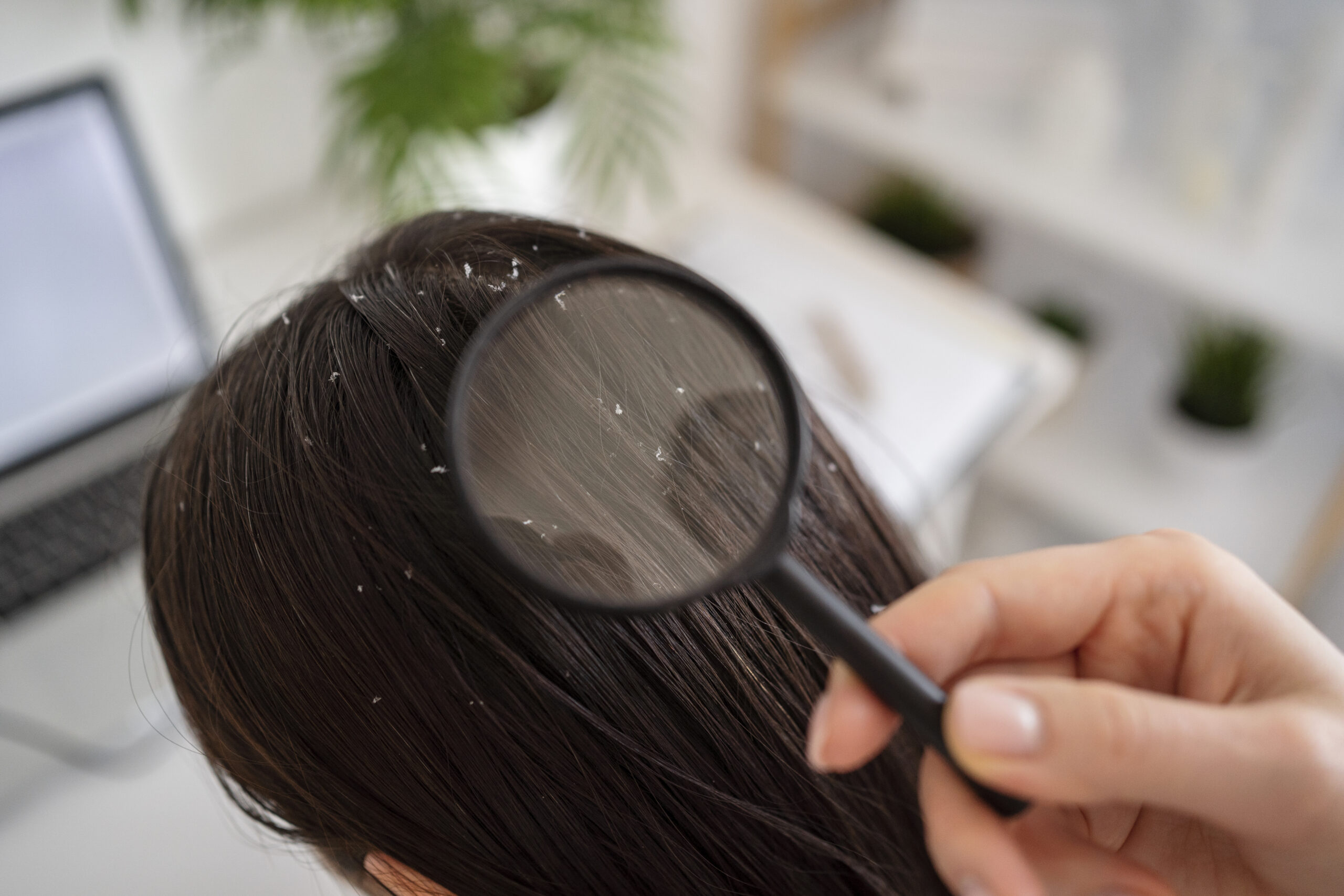
We’ve all been there — brushing off tiny white flakes from our shoulders and wondering why they keep showing up. Dandruff is one of the most common scalp concerns, yet it’s often misunderstood. While it’s usually not a serious medical problem, it can be uncomfortable, embarrassing, and sometimes even itchy enough to disrupt your day.
Let’s break down what dandruff really is and the reasons it happens, so you can deal with it better.
What is Dandruff?
Dandruff is the shedding of dead skin cells from the scalp at a faster rate than normal. Our skin naturally renews itself, but in dandruff, this renewal process speeds up, causing visible flakes that can range from small and powdery to larger and oily.
Top Reasons Behind Dandruff
1. Dry Scalp
One of the most common triggers.
If your scalp is dry, it can flake just like dry skin elsewhere on your body. This usually happens in colder weather or when you use harsh shampoos that strip away natural oils.
2. Oily, Irritated Scalp (Seborrheic Dermatitis)
This is a leading cause of dandruff and is linked to an overproduction of sebum (natural oil). The excess oil creates an environment where a yeast-like fungus called Malassezia thrives, leading to irritation and more skin shedding.
3. Fungal Growth (Malassezia)
Malassezia naturally lives on the scalp, but in some people, it grows too much and irritates the skin, speeding up cell turnover and causing more flakes.
4. Sensitivity to Hair Products (Contact Dermatitis)
Your shampoo, hair gel, or dye could be irritating your scalp if they contain harsh chemicals, fragrances, or alcohol. This sensitivity can cause redness, itching, and flaking.
5. Not Shampooing Enough
Skipping hair washes allows oil, sweat, and dead skin cells to build up, creating the perfect environment for dandruff-causing fungus to multiply.
6. Skin Conditions Like Psoriasis or Eczema
If you have other skin conditions that cause flaking or inflammation, your scalp may also be affected. This type of dandruff is often thicker and more stubborn.
7. Stress & Lifestyle Factors
Stress doesn’t directly cause dandruff but can worsen scalp conditions. Poor diet, lack of sleep, and hormonal changes can also make your scalp more prone to flaking.
Dandruff isn’t always about poor hygiene — it’s a mix of skin type, scalp health, and sometimes even lifestyle habits. The good news? Most cases can be managed with the right shampoo, scalp care routine, and some adjustments to your hair habits.
💡 Tip: If your dandruff is severe, persistent, or accompanied by redness and pain, it’s worth seeing a dermatologist to rule out other scalp conditions.